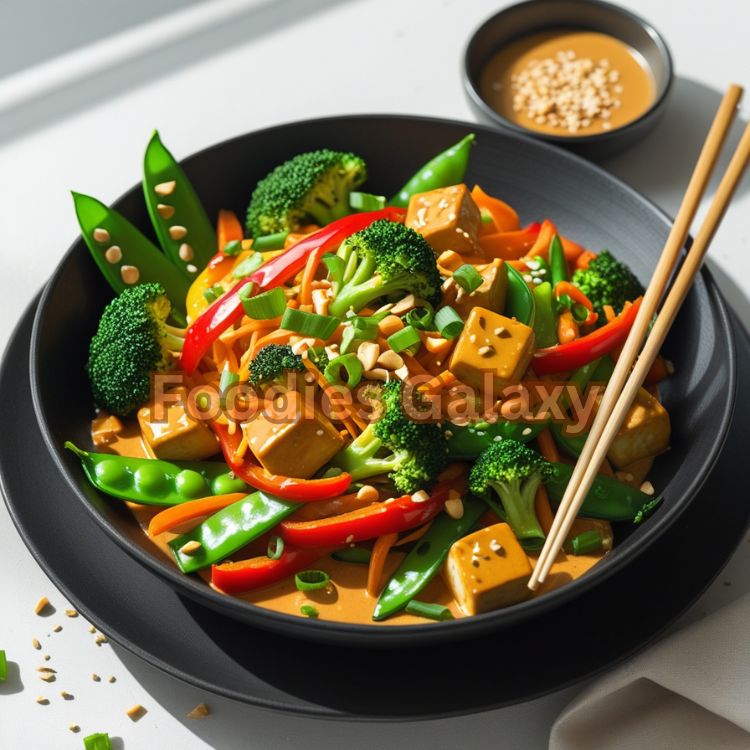
Welcome to a culinary journey that promises both vibrant flavors and remarkable ease – the easy vegetable stir fry with creamy peanut sauce - Article 1. In a world craving quick, healthy, and utterly delicious meals, this dish stands out as a true champion. Forget complicated techniques or extensive ingredient lists; we're here to demystify the art of creating a perfectly crisp stir fry bathed in a rich, velvety peanut sauce that will have your taste buds singing. Whether you're a seasoned chef or a kitchen novice, mastering this recipe means unlocking a world of customizable, nutritious, and incredibly satisfying weeknight dinners. Get ready to transform simple vegetables into a gourmet experience with minimal effort.
The Secret to a Seriously Easy Vegetable Stir Fry
The beauty of an easy vegetable stir fry with creamy peanut sauce lies in its simplicity and versatility. The "easy" part isn't just a marketing gimmick; it's a fundamental principle rooted in efficient preparation and smart cooking techniques. The true secret begins before any heat touches the pan, ensuring a smooth and stress-free cooking experience that yields maximum flavor and texture.
Prepping for Success: The Mis-en-Place Method
Any great chef will tell you that the key to a successful, easy meal is proper mis-en-place – everything in its place. For an easy vegetable stir fry, this means having all your vegetables washed, chopped, and ready to go before you even turn on the stove. Stir-frying is a fast cooking method, and you won't have time to chop carrots while mushrooms are searing. Categorize your vegetables by their cooking time; for instance, harder vegetables like broccoli, carrots, and bell peppers can be prepped together, while softer greens like spinach or snap peas might be added later. Cutting vegetables into uniform, bite-sized pieces ensures even cooking and a delightful texture in every mouthful.
- Wash and Dry: Always start with clean, dry vegetables. Excess water can steam your stir-fry instead of searing it.
- Uniform Chops: Aim for consistent size and shape for all ingredients. This ensures everything cooks at roughly the same rate.
- Separate Bowls: Keep your harder vegetables, softer vegetables, and aromatics (garlic, ginger) in separate bowls. This makes adding them to the wok or pan in the correct order effortless.
Choosing Your Veggies: A Rainbow of Flavors and Textures
The "vegetable" in easy vegetable stir fry with creamy peanut sauce is where you can truly let your creativity shine. There are no strict rules, but aiming for a variety of colors, textures, and nutrients will elevate your dish. Think about what's in season, what you enjoy, and what provides a good mix of crunch and tenderness.
- Harder Vegetables: Broccoli florets, carrots (julienned or thinly sliced), bell peppers (any color), snap peas, green beans, asparagus, bok choy stems. These need a bit more cooking time.
- Softer Vegetables: Mushrooms (sliced), zucchini, yellow squash, spinach, kale, bean sprouts. These cook very quickly.
- Aromatics: Garlic, ginger, and sometimes thinly sliced onions or scallions are crucial for building the flavor base.
Practical Tip: Don't overcrowd your pan! This is perhaps the most crucial rule for a truly great stir fry. If you pack too many vegetables into the pan, the temperature will drop, and your vegetables will steam rather than sear, leading to a soggy rather than crisp outcome. If you're cooking for a crowd, work in batches.
Crafting the Perfect Creamy Peanut Sauce: Beyond the Basics
The peanut sauce is the undeniable star of an easy vegetable stir fry with creamy peanut sauce. It’s what transforms a simple collection of cooked vegetables into an unforgettable meal. Moving beyond just mixing peanut butter and soy sauce, we'll delve into the nuances that create a perfectly balanced, rich, and utterly addictive sauce.
Essential Ingredients for Unforgettable Flavor
A truly great peanut sauce is a symphony of sweet, savory, tangy, and sometimes spicy notes. Each ingredient plays a vital role:
- Creamy Peanut Butter: The foundation. Opt for natural, unsweetened peanut butter for the best control over sweetness. Smooth is generally preferred for consistency.
- Soy Sauce: Adds umami and saltiness. Low-sodium is a good choice to prevent over-salting.
- Rice Vinegar or Lime Juice: Provides essential tanginess that brightens the sauce and cuts through the richness of the peanut butter.
- Sweetener: Maple syrup, honey, or brown sugar balance the flavors. Adjust to your preference.
- Aromatics: Fresh ginger (grated or minced) and garlic (minced) are non-negotiable for depth of flavor.
- Sesame Oil: A drizzle of toasted sesame oil adds a nutty aroma and a layer of Asian-inspired flavor.
- Sriracha or Chili Flakes: Optional, but highly recommended for a touch of heat that awakens the palate.
- Water or Vegetable Broth: Used to thin the sauce to the desired consistency.
Achieving the Ideal Consistency
The perfect creamy peanut sauce should be thick enough to coat your vegetables beautifully but fluid enough to mix in easily. This balance is key to a luscious easy vegetable stir fry. Start by whisking all ingredients together in a bowl until smooth. If it's too thick, add water or vegetable broth, one tablespoon at a time, until you reach your desired pourable consistency. If it's too thin (which is less common), you can try adding a tiny bit more peanut butter or letting it sit for a few minutes as it can thicken slightly upon standing.
Practical Tip: Always taste and adjust! This is the golden rule of sauce making. Before adding it to your stir fry, dip a spoon and check for balance. Does it need more salt (soy sauce), more tang (vinegar/lime), more sweetness, or more heat? A perfectly balanced sauce can elevate even the simplest ingredients. For more in-depth sauce variations and ingredient details, refer to easy vegetable stir fry with creamy peanut sauce - Article 3.
Mastering the Stir Fry Technique for Optimal Crunch and Flavor
An easy vegetable stir fry with creamy peanut sauce isn't just about good ingredients; it's about good technique. The stir-fry method is designed for rapid cooking at high temperatures, which locks in nutrients, preserves vibrant colors, and creates that coveted crisp-tender texture. Forget about slow-cooking; speed is your ally here.
High Heat is Your Friend
A smoking hot wok or large skillet is non-negotiable for a successful stir fry. The high heat ensures that vegetables quickly sear on the outside while remaining crisp on the inside. This is what creates that delightful "wok hei" flavor, a slightly smoky, caramelized essence. Use an oil with a high smoke point, like canola, grapeseed, or peanut oil.
- Heat the Pan: Place your wok or skillet over high heat until it's very hot – almost smoking.
- Add Oil: Swirl in a tablespoon or two of high smoke point oil, ensuring it coats the bottom.
- Aromatics First: Quickly add your minced garlic and ginger, stir-frying for just 15-30 seconds until fragrant. Be careful not to burn them.
The Order Matters: Adding Vegetables Strategically
To ensure even cooking and perfect texture, add your vegetables in stages, based on how long they take to cook:
- Harder Vegetables: Add vegetables like carrots, broccoli, and bell peppers first. Stir-fry them for 2-4 minutes, tossing constantly, until they start to soften but are still firm.
- Medium Vegetables: Next, add snap peas, green beans, or mushrooms. Continue stir-frying for another 1-2 minutes.
- Softer Vegetables & Greens: Finally, add quick-cooking items like zucchini, spinach, or bean sprouts. These only need about 30 seconds to a minute of cooking until just wilted.
Practical Tip: Work quickly! Keep the vegetables moving in the pan to ensure even exposure to heat and prevent burning. Use a long-handled spatula or stir-fry tool.
Bringing It All Together: Sauce Application
Once your vegetables are cooked to crisp-tender perfection, it's time for the grand finale: the creamy peanut sauce. Push the vegetables to one side of the pan, or temporarily remove them. Pour the prepared sauce into the cleared space, letting it warm and slightly thicken for about 30 seconds. Then, toss everything together vigorously, ensuring every piece of vegetable is coated in that luscious sauce. Cook for another minute or two until the sauce is heated through and clinging beautifully to the vegetables.
Customization and Serving Suggestions for Your Easy Vegetable Stir Fry
One of the greatest joys of making an easy vegetable stir fry with creamy peanut sauce is its incredible adaptability. It's a fantastic canvas for whatever ingredients you have on hand, allowing you to tailor it to your dietary needs, preferences, or what's freshest at the market.
Protein Power-Ups
While delicious on its own, adding a protein makes your stir fry a more complete and satisfying meal:
- Tofu or Tempeh: Press and dice firm or extra-firm tofu, then pan-fry or bake until crispy before adding to the stir fry at the end. Tempeh can be crumbled or sliced.
- Chicken or Shrimp: Marinate bite-sized pieces of chicken breast or thigh, or shrimp, then stir-fry them first until cooked through, remove, and add back in with the sauce.
- Edamame: Shelled edamame can be added with softer vegetables for a boost of plant-based protein.
- Eggs: Scramble an egg or two and mix them into the stir fry for an added layer of texture and protein.
Grains and Noodles: The Perfect Foundation
Serve your stir fry over a comforting base to soak up all that incredible peanut sauce:
- Steamed Rice: Brown rice or jasmine rice are classic choices.
- Quinoa: A protein-rich, gluten-free alternative.
- Noodles: Rice noodles, lo mein noodles, or even spiralized zucchini noodles for a lighter option. Cook noodles separately and then toss them into the stir fry with the sauce.
Garnish Galore
Don't underestimate the power of a good garnish. It adds freshness, texture, and visual appeal:
- Toasted Sesame Seeds: For a nutty crunch.
- Fresh Cilantro or Scallions: Chopped for a burst of freshness.
- Crushed Peanuts: Echoes the sauce and adds texture.
- Lime Wedges: A squeeze of fresh lime juice just before serving brightens everything.
- Chili Flakes or Extra Sriracha: For those who love an extra kick.
Fact: Stir-frying is a fantastic method for batch cooking. Prepare a larger batch of your easy vegetable stir fry with creamy peanut sauce at the beginning of the week, and you'll have delicious, healthy meals ready to reheat for several days. Store the sauce separately if you want to maintain optimal vegetable crispness.
Common Questions & Troubleshooting Your Easy Vegetable Stir Fry
Even with simple recipes, questions and minor hiccups can arise. Here are some common concerns when making an easy vegetable stir fry with creamy peanut sauce and how to address them.
Why are my vegetables soggy?
The most common culprit for soggy vegetables is overcrowding the pan or not having the heat high enough. When there are too many vegetables, the pan's temperature drops, and the vegetables release their moisture, essentially steaming instead of searing. Make sure you use a large pan or wok, cook in batches if necessary, and ensure your oil is shimmering hot before adding vegetables.
My peanut sauce is too thick/thin. How do I fix it?
This is an easy fix!
- Too Thick: Gradually whisk in small amounts (1-2 tablespoons at a time) of water or vegetable broth until the desired consistency is reached.
- Too Thin: If you've just made it, add a little more peanut butter. If it's already mixed into the stir fry, you can try simmering it gently for an extra minute or two to allow it to reduce slightly, or adding a cornstarch slurry (1 tsp cornstarch mixed with 1 tsp cold water) to thicken it.
How can I make my stir fry spicier or milder?
Adjusting the heat level is simple:
- For More Spice: Add extra sriracha or chili garlic sauce to the peanut sauce. You can also sprinkle red pepper flakes over the finished dish.
- For Milder: Omit the sriracha and chili flakes from the peanut sauce recipe. If you accidentally added too much, a touch more sweetener or a squeeze of lime juice can sometimes help balance the heat.
Making an easy vegetable stir fry with creamy peanut sauce is more than just cooking; it's an opportunity to create a truly delicious, adaptable, and healthy meal that fits perfectly into any busy lifestyle. By focusing on proper preparation, understanding the nuances of your peanut sauce, and mastering a few simple stir-frying techniques, you can consistently achieve restaurant-quality results in your own kitchen. This dish proves that healthy eating doesn't have to sacrifice flavor or convenience. So, gather your favorite vegetables, whisk up that irresistible peanut sauce, and get ready to enjoy a culinary delight that will quickly become a cherished part of your meal rotation.
